
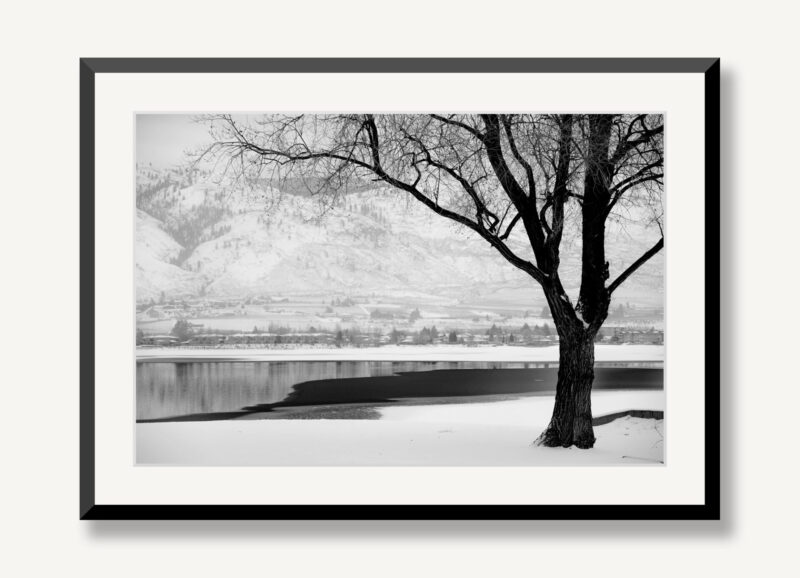
PRINT IT!
Gallery Quality Prints for the Rest of Us
(an upcoming eBook)
The current crop of desktop ink-jet printers intended for photographic use are more than capable of creating archival prints of exceptional quality; rivaling or exceeding that which was possible only through a professional photo lab just a few years ago.
But as most of us have also discovered the path to creating great prints is akin to a mine-field, beset with numerous hurdles and pitfalls.
But, it doesn’t have to be that way!
For several years I taught a popular on-line course (“The Art of Printing and Selling Your Art” at www.ppsop.com) where I helped hundreds of students unravel the complexities of creating “Gallery Quality” prints in their own home. Beginning fine art printers often find that breaking down and wrapping their heads around the essential issues in creating a gallery quality print: Colour Management, RAW file processing, print sharpening, and other technical can be enormously frustrating and difficult. Compounding the problem, many of the available books are complex, hard to understand, or gloss over important issues while spending more time talking about various kinds of printers or alternative ink-sets.
This course was not like, and the e-book to follow will not be like that either!
My personal belief (and my goal for you) is to make the process of converting an image from screen to print as transparent as possible… Your first print should be so close to your vision, that the need to adjust and reprint should only rarely be necessary. After all, you should be spending your time making the the image match your vision, rather than the struggling with the process of converting it from screen to print!
The only assumption I make, is that you already have a photo-quality ink-jet printer of fairly recent vintage, and a strong desire to make great prints!
Producing great prints is simply a matter of understanding a bit of the science, and having the discipline to hold yourself to a consistent workflow. The science is important, since once you understand why something is so, making good decisions as you assess, adjust and enhance your images for printing becomes a relatively simple process.
Here is what a few of my former students had to say about the on-line version of this upcoming eBook.